Featured

The Why of it All

Welcome to my blog! My name is Kalyn Lamey, and I want to give a little background on how this blog came about. For a very long time, I have wanted to watch all of the movies on AFI’s 100 Years… 100 Movies list. As of this moment, I have only seen SEVENTEEN of them! That number is just so pathetically sad and I simply cannot allow this to continue. So beginning tomorrow, I am going to work my way from #100 to #1 (of the 10th anniversary list) by watching one movie a week. I am then going to make a post about that movie. Disclaimer: I am NOT a movie critic or a writer. I have never written a blog or made a website before. I am a complete amateur at all of this and will probably make lots of mistakes, but I also have an insane passion for movies and want to share my thoughts with all of you.

I am so glad that you’ve decided to join me on my journey! I have a long road ahead of me, but I am determined to reach my goal and hopefully learn some things along the way.

———

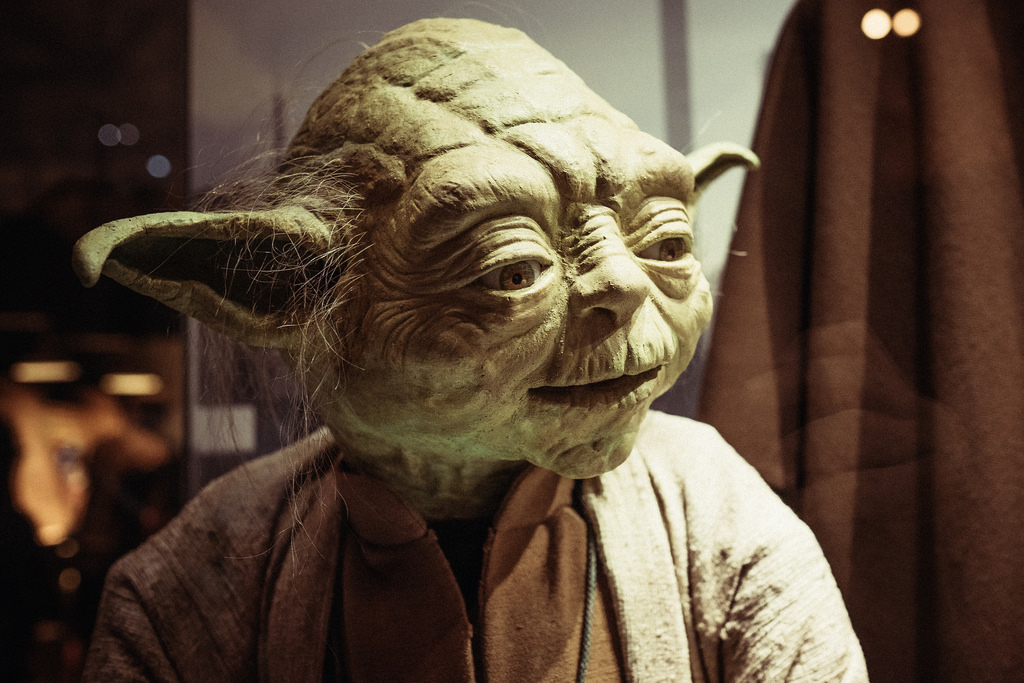
Do or do not. There is no try. – Yoda

yoda

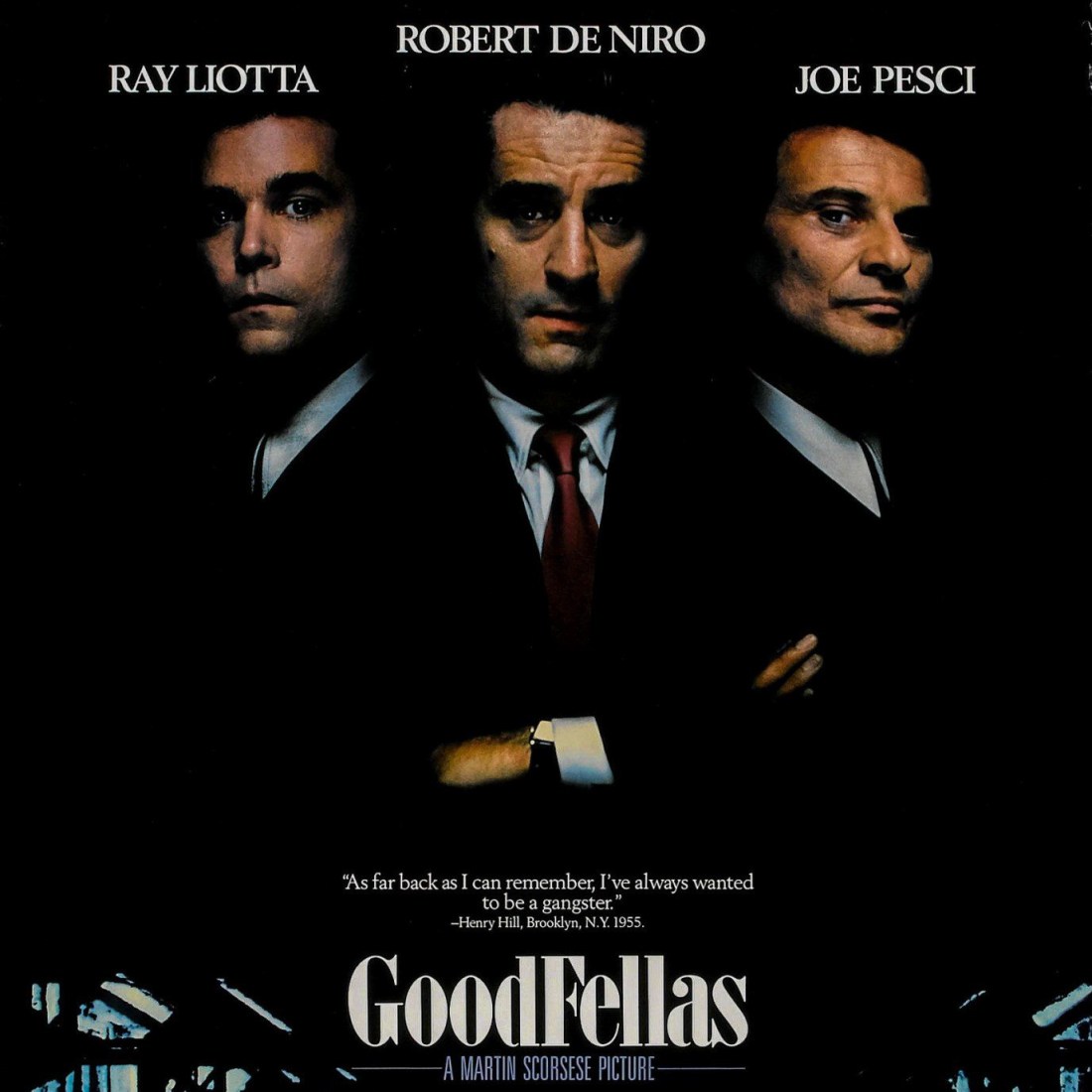
#92: Goodfellas (1990)

SPOILERS AHEAD. PROCEED WITH CAUTION.

“As far back as I can remember I always wanted to be a gangster.” If it were possible for a single line of dialogue to sum up the thesis statement of a film in the most perfect manner, this might be a top contender for that award. This line is uttered as voiceover by the character of Henry Hill (Ray Liotta) in the opening scene of the movie- a scene that that is completely juxtaposed with the line of dialogue itself as it shows the true horrors of being a wise guy.

From the moment you hit play, you know what kind of ride you are being taken on. This film focuses on a character, Henry, who had a very romanticized view of life as a gangster from a very young age. Over the course of the film, he his forced to deal with the realities of that life- murder, prison, scheming, lying, and endangering his own life and the lives of his loved ones.

This film is well-acted, well-shot, and well-paced. It moves along swiftly despite the run time of 2 hours 26 minutes, in no small part because this film pulls no punches without being too crude. Material such as this could so easily drift in the direction of the ridiculous or of the emotionlessly gruesome, but somehow this movie walks a fine line between the two extremes. The voiceover work of Ray Liotta is not only a nice addition to the film but is integral to its success. (On a related note, I couldn’t help but notice that his voice sounds eerily like that of Leonardo DiCaprio- a compliment if there ever was one.)

Despite my clear admiration and enjoyment of this movie, I did have one issue with the character of Henry and his arc throughout the film. He begins the film as a boy who is completely taken in by the lifestyle of the gangsters in the neighborhood. He starts working for them and is quickly given more responsibilities and, with it, more privileges. As the movie progresses and he transitions into adulthood, he meets his future wife, Karen, played by Lorraine Bracco, and starts a family. He is still very much enthralled with his chosen profession and group of friends/colleagues, taking bigger and bigger risks, even doing jail time. As time passes, life becomes more and more complicated, with a wife, children, a girlfriend, side hustles that he has to keep secret from the big bossman Paul, and so much more. Even after knowing that he and Karen are in danger, have no more allies, and he has no better choice than to turn snitch and join the witness protection program, he still longs to be a wise guy again. His complete failure to repent of his sins might simply be a creative choice on the part of the screenwriters or an attempt to stay true to the real Henry Hill’s character, but either way I do wish he had learned a lesson by the end.

This was my second viewing of this film. On first viewing, I had no idea that Ray Liotta was playing the main character until I began watching. I attribute this to the fact that the stars of Robert De Niro and Joe Pesci have shone brighter and longer than that of Liotta. Now that I have seen this film twice, I would be thrilled to see more of him! Overall, this is an excellent film and a wild ride.

Now, onto my questions!

  1. Did I like the movie? Yes!!
  2. Did I appreciate the movie? Of course!
  3. Would I recommend this movie to a friend? Most friends, yes, but this is not for the feint of heart.
  4. Do I plan to see this movie again? Absolutely!
  5. Am I glad I have now watched this movie? Yes!

Now let me update my list to include this movie from best to worst:

  1. Pulp Fiction (1994)
  2. Goodfellas (1990)
  3. Toy Story (1995)
  4. Yankee Doodle Dandy (1942)
  5. Blade Runner (1982)
  6. The Last Picture Show (1971)
  7. Do the Right Thing (1989)
  8. Ben-Hur (1959)
  9. The French Connection (1971)

Next up is Sophie’s Choice (1982). It’s a first watch for me, so stay tuned!

#93: The French Connection (1971)

This was the last movie I watched in early 2019 for this blog. I rented it, I took notes, and yet somehow writing the actual review fell by the wayside. And if you were living inside of my brain you would understand why. I really detested this film. It was very clearly a product of its time, which is not inherently a flaw. But I simply could not get passed my feelings of “this would not fly today” as I watched. Not to mention, by this point in time I have seen so many bad-boy-cop-who-will-break-all-the-rules-to-catch-the-bad-guy movies that it doesn’t seem original. In fact, when it wasn’t being racist or sexist, it was downright boring. It’s been well over a year since I watched this film and I distinctly recall walking out of my living room during the last few minutes of the movie to do some chore or another. This movie suffers greatly from what I like to call “Snow White syndrome”- it’s important because it was the first, not because it’s the best. My hope is that if this list ever gets a new update, someone will take a long, hard look at some of these “classics” before blindly including them.

Now, onto my questions!

  1. Did I like the movie? NO!
  2. Did I appreciate the movie? NOPE.
  3. Would I recommend this movie to a friend? Absolutely not.
  4. Do I plan to see this movie again? No. So much so, that I probably should’ve watched it again before writing this but couldn’t bring myself to do it.
  5. Am I glad I have now watched this movie? Meh.

Now let me update my list to include this movie from best to worst:

  1. Pulp Fiction (1994)
  2. Toy Story (1995)
  3. Yankee Doodle Dandy (1942)
  4. Blade Runner (1982)
  5. The Last Picture Show (1971)
  6. Do the Right Thing (1989)
  7. Ben-Hur (1959)
  8. The French Connection (1971)

(Are you surprised that it’s at the bottom?) Next up is Goodfellas (1990), which I did watch once before but will watch again before reviewing.

#94: Pulp Fiction(1994)

Image result for pulp fiction

SPOILERS AHEAD!

I had never seen Pulp Fiction until I watched it for this blog post. What I expected was some sort of crime thriller with a bit of Tarantino flavor, but what I got was so much more! I never fully figured out the central plot of this movie– I’m not even sure it has one or was ever meant to have one– but I found myself completely fascinated from the first shot of the movie until the last.

The more I’ve thought and thought about this movie, the more convinced I am that it shouldn’t work. This is a movie that starts in the middle of a series of events, jumps back to the beginning, fast forwards to the end, and then wraps itself back around to the middle. It starts with two characters talking about robbing various businesses while sitting in a diner and eventually deciding to go ahead and rob that very diner. Just as they pull out their guns, we cut to the credits. I assumed, like any rational person might, that we would return to the diner as soon as the credits were done rolling. NOPE! We cut to two new characters in a brand new setting and do not return to that diner or those characters until the very end of the film, at which point I had begun to wonder if we would even wrap up that particular plot point.

So why is this movie so intriguing, so fascinating, and so watchable when it shouldn’t make any sense at all? I think part of the answer to that question is this: Pulp Fiction is an anthology series in which the stories just so happen to dovetail. The order in which the stories were told didn’t really matter so much as the telling of the stories themselves. Tarantino could have easily put this movie in chronological order using the exact same footage that is shown in the film, and it would’ve been perfectly fine. But Tarantino doesn’t do perfectly fine. He swings for the fences, come what may. And in this particular case, it was a job well done.

The rest of the answer to the question I posed above is that this movie has a damn good script. The dialogue between characters felt so incredibly realistic, even when they were talking about completely outlandish things. How many times have you gone to a new city or country and then spent a car ride with your buddy telling him all about your trip? How many times have you had awkward conversations filled with awkward pauses with someone you don’t know all that well? The conversations between the characters make them relatable, which gives each of the stories real stakes. Without those stakes, the truly shocking parts of the movie (like Mia overdosing or the scene in the back room of the pawn shop which we won’t talk about) wouldn’t have any impact. But every scene has weight to it– every single one. Because it’s impossible to not care about these characters.

Overall, this is an excellent movie which is so bizarre that I can’t believe the AFI deemed it worthy for its precious list.

  1. Did I like the movie? Absolutely!
  2. Did I appreciate the movie? Definitely!
  3. Would I recommend this movie to a friend? A friend with a strong stomach.
  4. Do I plan to see this movie again? Well, I went ahead and bought it so I will probably put it in my normal movie rotation.
  5. Am I glad I have now watch this movie? You betcha!

Now that I’ve added Pulp Fiction to the list and have had a bit of a hiatus to let the other six films rest in my brain, I can now rank these seven films from best to worst (in my own opinion, of course):

  1. Pulp Fiction (1994)
  2. Toy Story (1995)
  3. Yankee Doodle Dandy (1942)
  4. Blade Runner (1982)
  5. The Last Picture Show (1971)
  6. Do the Right Thing (1989)
  7. Ben-Hur (1959)

Next up is The French Connection (1971)!


#96: Do the Right Thing (1989) & #95: The Last Picture Show (1971)

Well, hello again! It’s been a while since I’ve written a review, so I’m gonna give you two for the price of one! As always, SPOILER ALERT!

Do the Right Thing (1989): If you are looking for a standard three-act kind of flick, this ain’t it. Yeah, it has your typical character introductions at the beginning, but there is no real inciting incident to propel the story forward. I was okay with that for a while because I was too busy taking in the very…interesting fashions and hairstyles of the 80s to pay attention to much else. And the cheesy dialogue was hard to ignore as well. From the beginning you know that you are following the story of a young black man named Mookie who is working as a delivery person for a pizza place owned by an Italian-American family in a mostly black neighborhood. Naturally, there are some moments of racial tension with Mookie often playing peacekeeper between his family/friends and his employers. He does a fairly good job of being referee to the point that I began to wonder if anything of real consequence was ever going to happen in this movie.

About three-quarters of the way through the movie I resigned myself to the fact that this might just be a “day in the life” kind of movie, so I just chugged right along with it. And then 1 hour and 32 minutes into this film, it took an incredibly shocking turn. A fist fight breaks out between the white restaurant owners and some of the local black residents. The cops arrive to break up the fight and in the process they end up killing one of the black men. In a matter of seconds, I went from watching a cheesy, dated, boring dramedy to an event that I could have been watching on the news today. And suddenly the “Fresh Prince”-style clothes and bad acting didn’t matter anymore. And the one thought that I haven’t been able to get out of my head over the past week-and-a-half is how so much and so little has changed in my lifetime. As a white woman, I’ve never been afraid of the police and I pray I never have to be. But now I can empathize a little more with those who feel they are judged guilty without trial. So if that’s what Spike Lee’s goal was when he made this movie, then I’d say he succeeded.

Now on to my questions!

  • Did I like the movie? Overall, not especially.
  • Did I appreciate the movie? Yes!
  • Would I recommend this movie to a friend? If only for the moral of the story.
  • Do I plan to see this movie again? Nah.
  • Am I glad I have now watched this movie? Yes.


The Last Picture Show (1971): If you’ve ever asked yourself, “What kind of movie would John Hughes have made in the 1950s?” this movie is your answer! This is a coming-of-age story set in the early 1950s that centers around a group of people who are on the cusp of adulthood and trying to figure out just what that means. For this particular film, I only really had two notes to write down in my spiral notebook: “pretty real” and “awkward sex”. And that about sums up this movie. The kids in this movie do things that kids would actually do. They make out in the backs of movie theaters (which I guess was a thing back before you had to take out a signature loan in order to afford popcorn), they break up and make up, they go along with whatever their friends are doing to feel cool and included, they play pranks on each other that go a little too far, and, last but certainly not least, THEY HAVE REALLY AWKWARD SEX. Change up the cars, the clothes, and put a cell phone in everyone’s hand, and this could’ve been set in present day. There’s nothing special about this movie except for its realistic depiction of what it’s like to grow up, which is something that so many movies get so wrong. For that reason, I can appreciate it, though it’ll never be a top pick from me.

  • Did I like the movie? Sure.
  • Did I appreciate the movie? I guess.
  • Would I recommend this movie to a friend? Probably not.
  • Do I plan to see this movie again? No.
  • Am I glad I have now watched this movie? Sure.


Now I am going to rank the movies I’ve reviewed so far from my most favorite to my least favorite.

  1. Toy Story (1995)
  2. Yankee Doodle Dandy (1942)
  3. Blade Runner (1982)
  4. The Last Picture Show (1971)
  5. Do the Right Thing (1989)
  6. Ben-Hur (1959)

Today, my thoughts are obviously a little different than the last time I did this. I am beginning to value brevity a lot more highly than I did previously, so I had to put Ben-Hur at the bottom of my list today. Yes, it might be a better movie than some of the others. But you have to really commit to a film that long!

Next up is Pulp Fiction!!


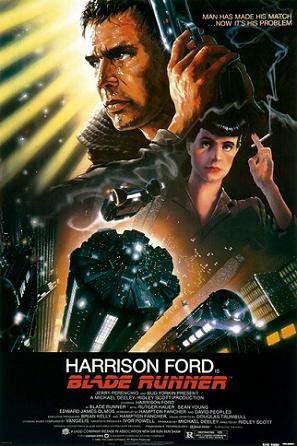
#97: Blade Runner (1982)

Blade_Runner_poster

SPOILER ALERT!


This week, I watched Blade Runner. This is a movie I have seen, though only the final cut which was released in 2007. I decided to watch the 1982 US theatrical version of the film this week since that’s what is actually on AFI’s list. That is the version I am reviewing here, although I do plan to point out a key difference in the versions.

This film begins in November 2019 in Los Angeles. All I could think about during the opening scenes of the movie is the optimism that filmmakers of the 80s had about our progress as a society, especially in the field of science. We are all still waiting for hoverboards that actually hover like Marty McFly’s during his trip to 2015, and I have a feeling that 2019 will come and go without us moving off-planet, driving flying cars, or creating such convincing artificial intelligence that most robots are indistinguishable from humans as shown in Blade Runner. But hey, we have wireless headphones and dessert that makes you look like a dragon, so I guess that’s something…

It’s also eye-opening to realize how many things were so ingrained into the culture in 1982 that the filmmakers couldn’t imagine that in 37 years those facets of society might be a relic of the past- shoulder pads, perms, smoking indoors, just to name a few. Although the film is set in present day, nothing feels present about it. I suppose if it did, we would be accusing Ridley Scott of some sort of witchcraft, so that’s probably for the best. But because of this, I don’t think this movie ages well. Similarly, I’m sure some of our modern-era sci-fi films set in the future won’t age well once we hit that future era. It’s simply impossible not to compare the film’s world with reality and thus mark all differences as flaws of the film. That’s an unfair lens through which to view a movie such as this, but we do it all the same.

It was also difficult for me not to compare this cut to the final cut. The first very jarring difference is the voice-over. Peppered throughout the US theatrical cut is Harrison Ford’s voice explaining bits of information about the world of the movie, about characters, about himself. This is completely removed from the final cut of the film, so I had no idea to expect it as I watched this movie. I am of two minds about this aspect of the film. While the dialogue actually made the movie easier to follow, Ford clearly phoned it in on the day he was asked to record these lines. This is not uncharacteristic of Harrison Ford – he’s an amazing actor… when he wants to be. So while I was able to follow the story and feel less confused, I also felt like I was being pulled out of the movie every time his voice-over was added.

Once I was able to move past the terrible voice-over, I tried to focus on the story line of this film. At its core, it’s easy enough to follow: robots called replicants are banned from earth but are used on off-world colonies, but four such replicants escape a colony and return to earth where they are now being tracked down by Harrison Ford. It’s a cops-and-robbers plot line that’s been done a thousand times with some variation. What makes this movie unique is not really its plot line but the moral questions that arise as a result of the plot. Does sentience equate to life? Once you’ve created sentience, do you have the right to destroy it? Do non-human, sentient beings have the right to make their own choices? I can most definitely see the influence that this film had on future filmmakers that delve into the same types of ethical dilemmas in their films. I think the reason we keep asking these questions in films is because we know that we need the answers before AI is too far gone.

Since I found the overall message of the film to be so intriguing, I tried so hard to bring myself to like this movie, even with all of its terrible wardrobes, cheesy dialogue, and overall weirdness that seemed to creep into so many movies in this era (The Lost Boys and The Labyrinth come to mind). But in the end, I just couldn’t bring myself to enjoy watching this movie. I think I enjoyed it marginally better than the final cut only because I understood what was going on, but it wasn’t enough. I can objectively see why this movie might be on a list like this, but I doubt this is something I’ll revisit time and again.

Now to answer my questions:

  • Did I like the movie? No.
  • Did I appreciate the movie? No.
  • Would I recommend this movie to a friend? No.
  • Do I plan to see this movie again? No.
  • Am I glad I have now watched this movie? Sure.

Now that I have several movies under my belt, I’m going to start my own personal top 100 using the movies on AFI’s list. This is only my personal opinion, and I completely understand that anyone else would probably disagree with me. I’ll update this list as I add movies. So, ranked from favorite to least favorite so far:

  1. Toy Story (1995)
  2. Yankee Doodle Dandy (1942)
  3. Ben-Hur (1959)
  4. Blade Runner (1982)

Next up is Do the Right Thing (1989)!!!


#98: Yankee Doodle Dandy (1942)

Image result for yankee doodle dandy

On Sunday, I watched the film Yankee Doodle Dandy for the very first time. And yes, I know it’s been three whole days between then and now but it’s been a crazy week and I wanted to be in a happy and relaxed mood to really do this film justice. SPOILERS AHEAD.

When I sat down to watch this movie, I knew almost nothing about it and had no pre-conceived expectations of any kind. I am not one to seek out older films and don’t always enjoy them when I do seek them out. All I knew going in was that I’d be really disappointed if I didn’t get at least one rendition of the song “Yankee Doodle Dandy”. I didn’t have to wait very long for this one requirement to be checked off my list. In fact, the music (but no lyrics) plays over the opening credits! So I was immediately satisfied and put in a very optimistic mindset for the duration of my viewing.

The next thing I noticed was that the actors in this movie talk at a pace to rival Lorelai, Rory, and the rest of the Stars Hollow gang. And not only were they talking fast, they were saying very funny, sometimes very sarcastic things, some of which I nearly missed. But what I did catch made me laugh out loud many, many times throughout this film.

For those of you who don’t know, this is a biopic about a stage performer named George M. Cohan who spent much of his life performing with his parents and sister, and subsequently began writing and performing in his own musicals. This includes the Broadway show Little Johnny Jones, in which he sings the patriotic song for which this biopic is named. So yes, I actually got a version of “Yankee Doodle Dandy” in this movie, lyrics and all! I also found out through this film that Cohan wrote “You’re a Grand Old Flag”. As the days have passed, I have realized just how much impact someone can have on a society- he is a man whose name is probably unrecognizable to anyone in my generation but whose contributions to American culture will live on for many generations to come.

The writers of this film did a very good job of making Cohan a real human being. He was flawed, and even after realizing his flaws and vowing to change, he still made mistakes and went back to old habits from time to time. This is a feature of human behavior that is too rarely written out of leading characters in Hollywood productions. And while I understand that we go to movies to escape, we can’t care about a fictional human being who has little to nothing in common with actual human beings. This wasn’t a problem at all for this leading man. He faced difficult choices and you could read the dilemma in James Cagney’s face (the actor playing Cohan) as his character dealt with the consequences of those choices. There is humor and heart and depth and passion in this movie. You can quickly forget that it is a 76-year-old black-and-white film because you’re too busy caring about the characters or being entertained by the re-creation of Broadway musicals. And, my God, James Cagney can dance like no one I’ve ever seen!

The movie slows down as it progresses and has a more somber tone at the end, but by then you’re too invested to notice. Very rarely does a movie make me cry, but I nearly shed a tear when he has to say goodbye to his father, who is on his deathbed, and again when the president gives him the Congressional Medal of Honor.

Overall, I can definitely see why this movie made the list and I enjoyed every minute of it. Now to answer my five questions:

  • Did I like the movie? Very much!
  • Did I appreciate the movie? Yup!
  • Would I recommend this movie to a friend? Probably not to every friend- it’s definitely got a niche audience
  • Do I plan to see this movie again? Yes!
  • Am I glad I have now watched this movie? Mmhmm!

Next up is Blade Runner (1982)!!!

#99: Toy Story (1995)

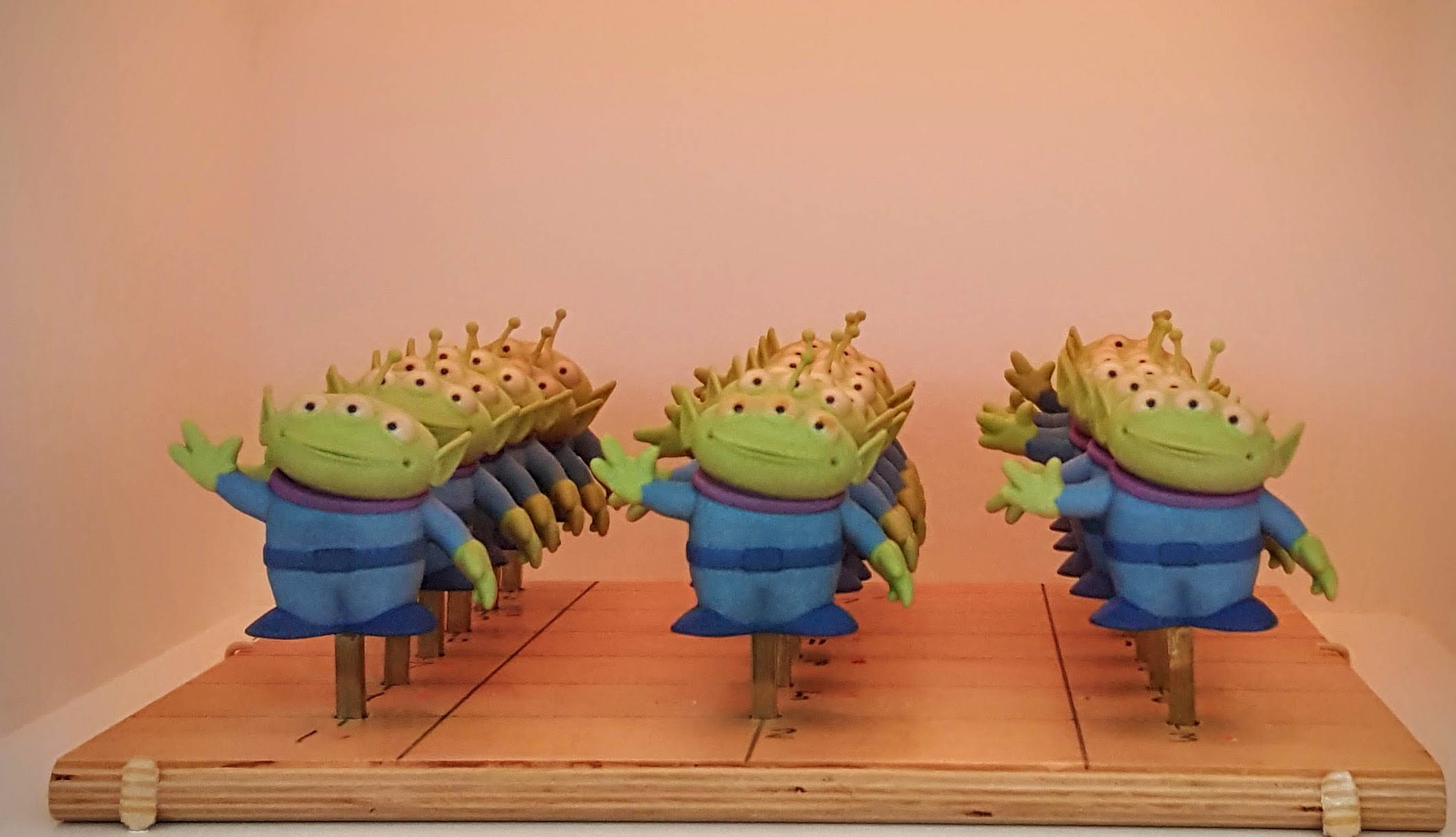
Anniversery of the making of Toy Story

What a fun watch! I should start this blog post by saying that I have, in fact, seen Toy Story before yesterday. However, it’s probably been at least 15 years since my last viewing of it. Oh, and SPOILER ALERT! If you haven’t seen this movie yet, go watch it and come back. It’s only 81 minutes long, so it’s a much faster watch than Ben-Hur.

Toy Story was never a Disney staple for me as a kid. I was always more of a The Little Mermaid/ The Lion King/ Beauty and the Beast/ Peter Pan/ Cinderella kind of girl. But now that I’ve seen Toy Story through an adult lens, I am not sure why it wasn’t a go-to in my childhood. This movie starts as any Pixar film does- with that creepy lamp that squishes the “I” in in the word “Pixar” and haunts my dreams to this day. I actually own a black lamp that looks a lot like the Pixar lamp, and I have an irrational fear that one day it’s going to look at me. But I digress…

I found it interesting that the first toy we actually see isn’t Woody- it’s Mr. Potato Head. I fully expected Woody to be front and center from the opening seconds of the film, but I was mistaken. The next thing that really caught my attention was the fact that Joss Whedon actually has a screenplay credit. My mind was officially blown- like when I realized that Matthew McConaughey was in Angels in the Outfield. For those of you who don’t know, Joss Whedon is a fairly big name in the writing and directing world, but is probably most know for creating the character of Buffy Summers, the titular character in both the movie and tv series entitled Buffy the Vampire Slayer. As someone who used to set an alarm for 6 am in elementary school to watch Buffy reruns before school, I was super excited to see Joss Whedon’s name pop up.

Once I got past the opening credits, it was quite an emotional roller coaster of an experience. You’re having fun with the toys one minute and then feeling sad for Woody the next and then you’re worried for Buzz then next as he tumbles out of the window. This movie also moves incredibly fast, so you never really have time to be bored. I suppose that’s one advantage of having a short run time. I wasn’t really ready for it to be over when it ended (unlike Ben-Hur, which overstayed its welcome by about an hour and a half).

I also feel that it would be wrong to call this a kids’ movie. This is a prime example of a family movie. The creators of this film made a film that was colorful and exciting enough to appeal to children without ever talking down to children. They included humor for the adults as well as the children. They also included a very simple and classic moral – jealousy will get you nowhere – but in a way that was very entertaining to watch. I am sure children don’t even notice that they’re being taught how to treat one another with kindness when they watch this film, but it’s all there.

I suppose a good critic has to find flaws in the subject of their critique, but I could only find one. Why doesn’t Buzz know that he’s a toy?? Every other toy knows they’re a toy! And it’s not like the manufacturer could’ve somehow built this into Buzz because the humans don’t seem to know that the toys are sentient. This will probably bother me until I die, but I think a film with one flaw in it is doing pretty good for itself.

All in all, this is a fabulous film! I am so glad I rewatched it. I plan to rewatch its sequels sometime in the near future as well. Now to answer my five questions:

  • Did I like the movie? Absolutely!
  • Did I appreciate the movie? Heck yeah!
  • Would I recommend this movie to a friend? You’re darn tootin’
  • Do I plan to see this movie again? You got that right!
  • Am I glad I have now watched this movie? Technically, I’d already seen it. But yes!

Next week is Yankee Doodle Dandy (1942)!

#100: Ben-Hur (1959)

benhur.jpg

So I watched all 3 hours and 42 minutes of 1959’s Ben-Hur on Sunday. And man, oh man, there was a period of a couple of hours where I thought this new project of mine might be dead in the water. Why I decided to start with what is probably the longest movie on the list (I’m honestly scared to look at run times now), I have no idea. Nevertheless, I persisted. So now I’m going to attempt my best approximation of a movie review. This probably goes without say, but SPOILER ALERT.

As I watched this movie, I took notes in my 87-cent Walmart notebook (thank you, school supply season!). The very first thing written in this notebook is, “Why don’t movies have overtures anymore?!” Nothing sets the tone of a film quite like a nice piece of classical music. A flash of Gone with the Wind came across my brain as I listened, being that GWTW is the only movie I’d ever seen with an overture. But this overture lets the audience know what kind of movie they’re in for from the get-go. The overture screams, “This movie is long, slow burn, so you better get nice and comfy!”

Going into this movie, I knew three things: (1) It’s long, (2) It’s old, (3) There are chariots races. That’s it. That was my entire understanding of the movie Ben-Hur going into it. I was definitely not wrong about (1) and (2), although as it turns out there isn’t a whole lot of chariot racing in this movie- one chariot race towards the end.

So what did I like about this movie? First of all, Charlton Heston is hard not to watch. On top of having the most gorgeous set of eyes, he’s also a damn good actor. I don’t know that I’ve ever seen him act, though I certainly knew his name before watching this movie. He steals every scene he is in and makes you care about this character, even after 3 hours and 42 minutes.

I also enjoyed the intertwining of the fictitious story with historical, biblical events. It was a bizarre experience watching a move in which the birth and death of Jesus Christ is portrayed without ever making it the focal point of the movie. This is about a man’s journey towards inner peace and away from vengeance, and what better role model could he have for this than Jesus Christ?

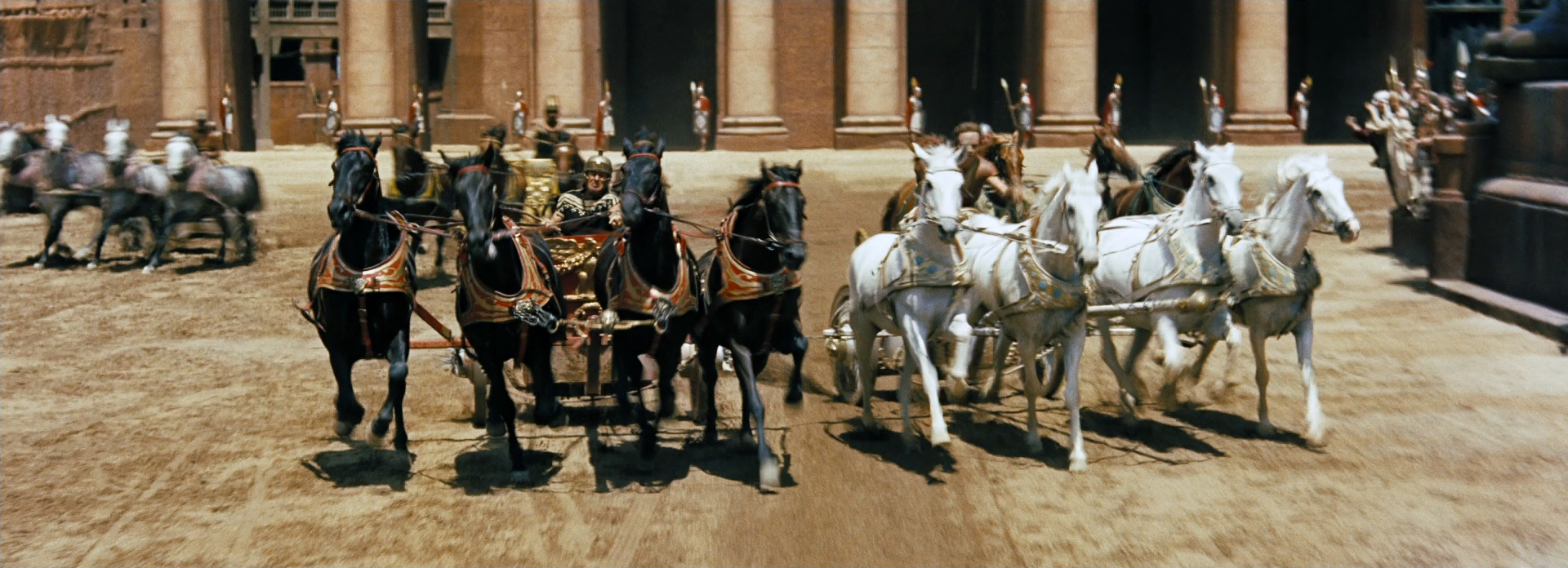
It was also apparent, even to a layperson such as myself, that the filmmakers were extremely intentional with everything from the sets to the music to the choices of color. The filmmakers were telling the audience in no uncertain terms that Judah is our hero in this story and Messala the evil villain. Take the chariot race, for instance. Judah is wearing blue while standing in a gold and white chariot pulled by white horses. Messala, on the other hand, is wearing mostly black while standing in a red chariot pulled by black horses. It could not be more obvious who the audience is supposed to be rooting for, even if you jumped into the movie at that exact moment.

While I’m on the subject of the chariot race, what a beautiful scene!!! I later read that it took five weeks to shoot that part of the film, and that is abundantly clear by the shear scope and detail in that scene. I found myself wondering how they even had the technology to pull off such a thing in the fifties. I could feel the complete absence of CGI, which is something that we rarely get to experience in this day and age. Heck, even Star Wars can’t be watched anymore without the awful, digital additions- a conversation for another day. And I honestly think that being forced to build or buy everything that shows up in the finished film lends itself to my previous point about intentional film-making.

Now, what did I not enjoy so much? Well, first of all, my generation was not built for long, slow burns. We are so impatient and so unwilling to focus that movie trailers now have tiny teasers of the trailer before the trailer even plays! Apparently, a minute and a half is just too long to hold our focus, so nearly four hours was borderline torture. However, this isn’t really the movie’s fault. It wasn’t made for me or my generation. It was made for my grandparents’ generation. Many of the same people seeing this movie in the theatre upon its original release had probably also seen some of the first talkies ever made. So I can completely understand why this movie was both critically acclaimed and loved by moviegoers at the time.

I also didn’t really buy into Judah’s romance with Esther. Given the length of this movie, there really could have been more build-up towards their flirtation and eventual first kiss. In fact, Judah had much more on-screen chemistry with Messala than with Esther- although that would’ve been a COMPLETELY different film, and I doubt Jesus would’ve been in it.

Although this film wasn’t really my style, I can definitely see the influence that it’s since had on Hollywood. I am far from a movie expert and I noticed several parallels between this movie and more modern films. For instance, Jack and Rose could totally have both fit on that floating debris as demonstrated in this movie!

For my closing thoughts, I want to answer a few questions that I plan to answer as a summary for each movie review.

  • Did I like the movie? Overall, not really.
  • Did I appreciate the movie? Yes.
  • Would I recommend this movie to a friend? Probably not.
  • Do I plan to see this movie again? Nope!
  • Am I glad I have now watched this movie? Yes. (Now I need a bumper stick that says 3:42 so everyone knows about my accomplishment!)

Next up is Toy Story! Stay tuned for my next entry!